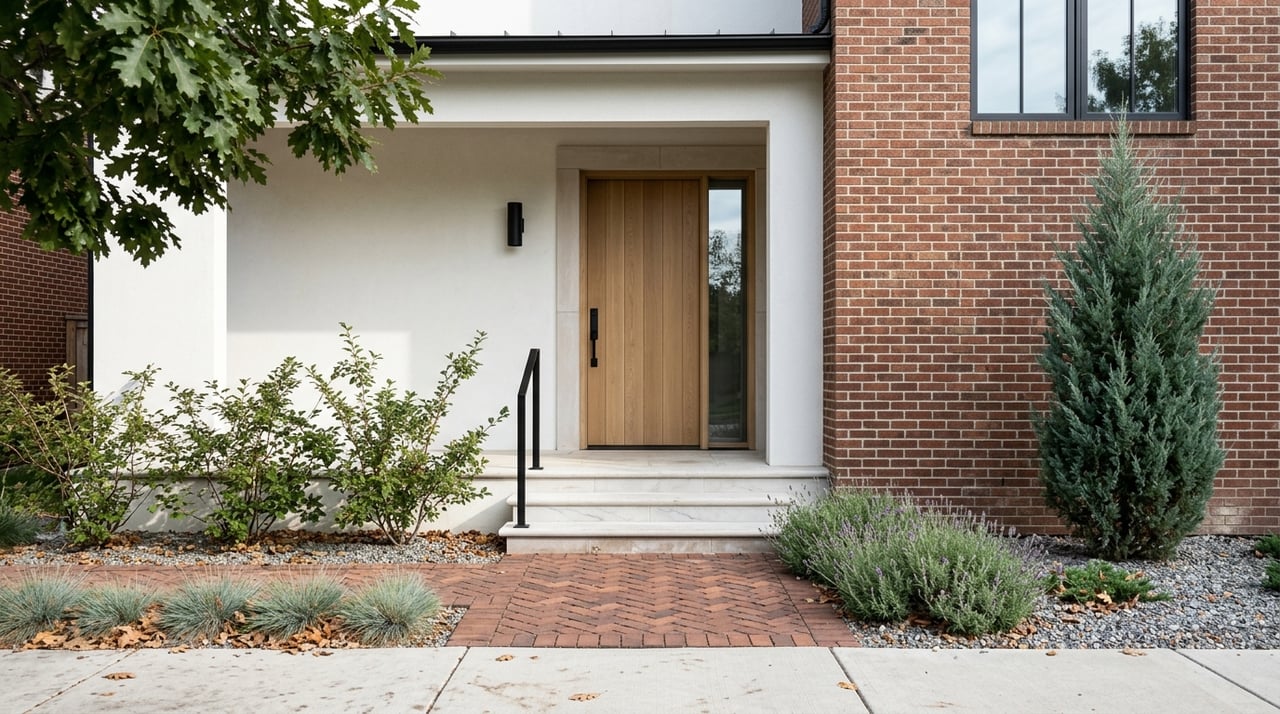
Buying a Home Near City Park Denver: What to Know
April 23, 2026
April 23, 2026
Thinking about buying near Denver’s City Park? It’s easy to fall for the tree-lined streets, classic architecture, and one of the city’s biggest lifestyle draws. But in this part of Denver, a smart purchase usually comes down to more than curb appeal. If you want to buy with confidence, you need to look closely at the home’s condition, zoning, permit history, and how the property connects to the park itself. Let’s dive in.
City Park is Denver’s largest urban park at more than 300 acres, and it serves as both a neighborhood park and a destination for surrounding areas. According to the City Park project page from Denver Parks and Recreation, it sits about two miles east of downtown and continues to see active public improvement work.
That combination matters when you buy nearby. You get access to a major Denver amenity, but you also need to think about roadway changes, traffic flow, and occasional construction impacts. For many buyers, the right home near City Park is one that balances location benefits with day-to-day livability.
City Park is not a cookie-cutter market, and the numbers reflect that. Realtor.com’s City Park market summary currently describes the area as a buyer’s market, with a median listing price of $752,500, 16 active listings, and 52 median days on market.
At the same time, Zillow reports an average home value of $713,082, down 0.8% year over year, as summarized in the research provided. Those figures measure different things, but together they point to an important takeaway: pricing near City Park can vary significantly based on block, condition, updates, and renovation quality.
If you are comparing homes here, price per square foot only tells part of the story. In a neighborhood with limited inventory and a wide range of property condition, details matter.
One of the biggest reasons buyers love the area is also one of the biggest reasons they need to do extra homework. Homes in and around City Park often reflect different eras of Denver architecture rather than a uniform housing stock.
The Discover Denver City Park West survey report notes late-19th-century Queen Anne and Romanesque homes, followed by Dutch Colonial, Neoclassical, Foursquare, and Denver Square styles in the early 1900s. The same research also supports what many buyers already notice on tour: you may see a brick Denver Square next to a bungalow, Victorian, or other character-rich home on the same block.
That variety gives the neighborhood personality, but it also makes apples-to-apples comparisons harder. A beautiful original home may have very different maintenance needs than a recently renovated one, even if both have similar bedroom counts.
When you tour homes near City Park, pay attention to more than square footage and finishes. It helps to compare:
In this neighborhood, two homes with similar list prices can offer very different ownership experiences.
If you are buying an older property, your inspection strategy should be more detailed than usual. Many homes near City Park were built during periods when lead-based paint and other now-common concerns were more likely to be present.
The EPA’s lead-based paint guidance says the older the home, the more likely it is to contain lead-based paint. The agency estimates that 87% of homes built before 1940 and 24% of homes built between 1960 and 1978 contain some lead-based paint.
Radon is another issue worth taking seriously in Colorado. As cited in the research report, the Colorado health department says about half of Colorado homes have radon levels above the EPA action level. That makes radon testing a practical step, even when a house looks fully move-in ready.
For many City Park buyers, a strong due diligence plan should include:
A home can look polished on the surface while still hiding older systems or incomplete renovation work. That is why smart buyers focus on both visible upgrades and what is behind the walls.
In a neighborhood with older housing and frequent remodeling, permit history can be just as important as the inspection report. Denver requires permits for many common projects, including certain doorway and window changes, structural work, ductwork, and new or relocated plumbing and electrical fixtures, according to the city’s residential interior remodel guidance.
Some projects may also require additional review, including sewer use and drainage permits in certain situations. For buyers, the practical takeaway is simple: if a home has been updated, you should ask whether that work was properly documented.
This is especially relevant for features like:
A polished remodel is not automatically a problem. But in an older Denver neighborhood, documented work can give you more confidence about quality, compliance, and future resale.
Before you write an offer, confirm the property’s exact zoning and whether any historic review rules apply. Denver’s official zoning resources explain that the zoning map is the official place to look up a parcel’s district and that some properties still follow Former Chapter 59.
That matters because zoning can affect setbacks, height, parking, lot coverage, uses, and the feasibility of future improvements. If you are thinking long term, these details can shape how flexible the property will be for your plans.
Historic review is another layer buyers should not overlook. Denver’s Landmark design review page notes that if a property is individually landmarked or located in a historic district, exterior work is reviewed by Landmark Preservation and requires a Certificate of Appropriateness before the building or zoning permit process moves forward.
If you hope to make changes after closing, parcel-specific rules can affect your timeline and budget. This is especially important if you are considering:
For ADUs, the rules can be even more specific. The research report notes that all ADUs in historic districts or on landmark properties require a pre-application meeting and Landmark Preservation Commission approval.
Buying close to City Park is not just about the house. It is also about the rhythm of the location. The park is a major regional destination, and the City Park master plan says the Denver Zoo and Denver Museum of Nature and Science together draw more than 3 million visitors annually.
That long-term draw can support appeal and resale over time, but it also shapes the ownership experience. Depending on the property’s exact location, you may want to think about traffic patterns, event activity, parking dynamics, and how easy it feels to come and go on busy days.
This does not mean buying near the park is a downside. It means the smartest buyers evaluate the micro-location with the same care they give the home itself.
Before making an offer on a home near City Park, it helps to run through a focused checklist:
In this area, smart buying means looking past the finish line of the listing photos.
No one can guarantee future value, but some resale patterns are easier to understand than others. Based on the neighborhood’s older housing stock, central location, and ongoing draw as a park-centered destination, homes that tend to feel most resilient are often the ones that preserve original character while solving for modern livability.
That usually means features like updated kitchens and baths, solid mechanical systems, manageable maintenance, and practical layouts for how people live today. In City Park, buyers are often not choosing between old and new. They are choosing between different levels of stewardship.
That is why a good purchase here is not always the flashiest one. Often, it is the home where charm, documentation, condition, and location all line up.
If you are weighing a move near City Park, working with a neighborhood-savvy advisor can help you look beyond finishes and focus on the details that protect both your lifestyle and your long-term investment. When you are ready to explore your options, connect with Antoinette Bradley for thoughtful, high-touch guidance tailored to your goals.
Stay up to date on the latest real estate trends.


The journey of buying or selling a home is personal, and Antoinette believes in guiding every client with expertise, care, and transparency. Drawing from her early real estate successes and entrepreneurial experience, she empowers clients to make confident, strategic decisions.