Union Station Denver Condos or RiNo: Which Fits You?
March 5, 2026
March 5, 2026
Torn between a Union Station high-rise and a RiNo loft? You are not alone. Both neighborhoods put you close to downtown Denver energy, but the day-to-day experience can feel very different. In this guide, you will learn how the two areas compare on lifestyle, buildings, pricing signals, transit, HOA dues, parking, and development activity so you can buy with confidence. Let’s dive in.
Union Station and LoDo form Denver’s historic downtown core with a modern twist. The landmark station is the city’s primary transit hub with light rail, commuter rail, and buses on your doorstep, and the main hall hosts shops and dining. If you want the easiest commute options and a central address, this is a strong fit. Explore the transit hub on the official Denver Union Station rail and bus page.
You also get quick access to Riverfront Park and Commons Park plus the Cherry Creek and South Platte trails. These green spaces offer a calm counterpoint to city living, and they are linked to LoDo by the Millennium Bridge. For background on the neighborhood’s riverfront transformation, review the ULI Riverfront Park case study.
Everyday convenience is a highlight here. You will find on-site dining, theaters and sports nearby, and a large grocery store close to the station. Union Station’s retail and hotel scene set an active, polished tone for the area.
RiNo, the River North Art District, blends industrial roots with a creative, mixed-use identity. You will notice vibrant street art, a high concentration of breweries and food halls, and a steady rhythm of events. For a neighborhood overview and map, check the RiNo guide by Denver.org.
Food and culture drive daily life here. You can graze through local vendors at the Denver Central Market and catch national touring acts at Mission Ballroom. The result is an energetic scene that feels creative and social.
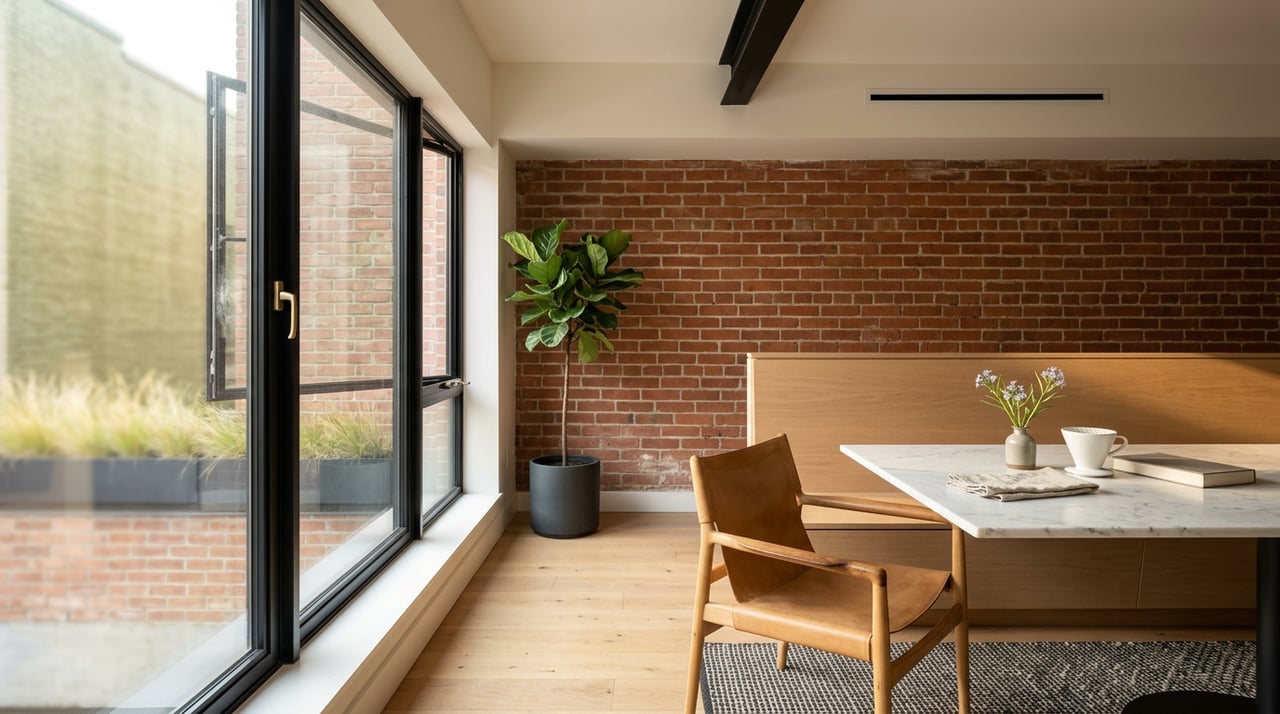
In Union Station and LoDo, you will see a mix of historic loft conversions and newer mid- and high-rise condominiums. Many classic lofts feature exposed brick, timber, tall windows, and open layouts. Newer towers lean into full-service living, with staffed lobbies, fitness centers, and rooftop amenities.
A prime example is The Coloradan, the signature for-sale tower next to the train platforms. Units often emphasize modern finishes and city or mountain views, and the building offers amenities that suit a lock-and-leave lifestyle.
RiNo’s condo and loft inventory is diverse. You will find true warehouse conversions with oversized windows and industrial details, modern low- to mid-rise condos over street-level retail, and some live-work formats. Floorplans can range from compact urban one-bedrooms to large, open loft volumes. Newer projects continue to add residences alongside retail and hospitality, keeping options fresh and varied.
Prices move quickly and vary by building and block, but there are some useful patterns as you compare options.
Bottom line: expect Union Station/LoDo to trade at a convenience premium, while RiNo may offer more unit-type diversity and potential value per square foot in select properties. Check current MLS data the week you shop for the most accurate reads.
If you want the most direct transit options, Union Station leads. Multiple RTD rail and bus lines connect here, and the Free MallRide links you across downtown. For details on lines and schedules, see Union Station’s transportation overview.
RiNo’s urban grid is walkable, and the A-Line to DIA stops at 38th & Blake on the district’s north edge. Many addresses are a short walk or e-scooter ride to the station, which makes airport trips simple. Learn more about the A-Line connection on Visit Denver’s airport rail page.
Use these quick profiles to see which neighborhood matches your routines.
Parking downtown is a real factor. In Union Station/LoDo, expect paid garage parking or leased stalls, and confirm whether your space is deeded or assigned. In RiNo, many newer buildings include structured parking, while some conversions offer reserved stalls. Street parking can tighten during events in both areas.
Event nights can raise activity levels. LoDo properties near the Ballpark area feel game-day crowds when the Rockies play at Coors Field. In RiNo, blocks around major venues can be livelier on concert nights. Tour at different times of day, including evenings and weekends, to see how a location feels for you.
Condo HOA dues vary widely and depend on what the building includes. Amenity-rich towers in Union Station often carry higher dues that can cover building staff, fitness, pool, and some utilities. Lofts and smaller conversions, which are more common in RiNo, can have more modest dues, though newer mid-rises with robust amenities may be higher.
When comparing buildings, confirm exactly what your monthly fee covers: utilities like water or gas, trash, internet, amenity access, parking, and on-site staffing. The inclusions can make two similar-looking dues feel very different when you run your total monthly cost.
RiNo continues to evolve. Large mixed-use projects and new public-space investments add housing, retail, and parks, which can mean active construction and shifting streetscapes. For example, a new park near Denargo Market is expanding riverfront access and amenities, as covered by Axios Denver. Ongoing investment can support long-term neighborhood momentum while also affecting short-term noise and traffic.
Union Station/LoDo is a mature mixed-use core with fewer large undeveloped parcels. Its role as the region’s transit anchor and established retail base create a more stable feel, with incremental infill rather than widespread new construction.
Use this quick framework to clarify your best fit.
Choose Union Station if you want the most seamless transit, riverfront park access, and a polished downtown lifestyle with full-building amenities. Pick RiNo if you crave a creative vibe, food halls and breweries within a short walk, and a wider range of loft and condo formats. Both neighborhoods deliver strong walkability and access to the core, so your best choice comes down to how you live day to day and how you weigh convenience, space, and monthly costs.
If you want help comparing current listings, HOA health, and block-by-block nuances, reach out. You deserve a data-informed, neighborhood-first plan that supports both your lifestyle and long-term equity goals. Connect with Antoinette Bradley to schedule a free consultation.
Stay up to date on the latest real estate trends.
The journey of buying or selling a home is personal, and Antoinette believes in guiding every client with expertise, care, and transparency. Drawing from her early real estate successes and entrepreneurial experience, she empowers clients to make confident, strategic decisions.