Park Hill Denver Family Homes vs. City Park Living
March 24, 2026
March 24, 2026
Choosing between Park Hill and City Park can feel like picking between two great options on Denver’s east side. You might want a quiet block with a yard, but you also love quick park access and easy weekend plans. In this guide, you’ll see how these neighborhoods compare for homes, schools, parks, and daily logistics so you can decide what fits your routine and long-term goals. Let’s dive in.
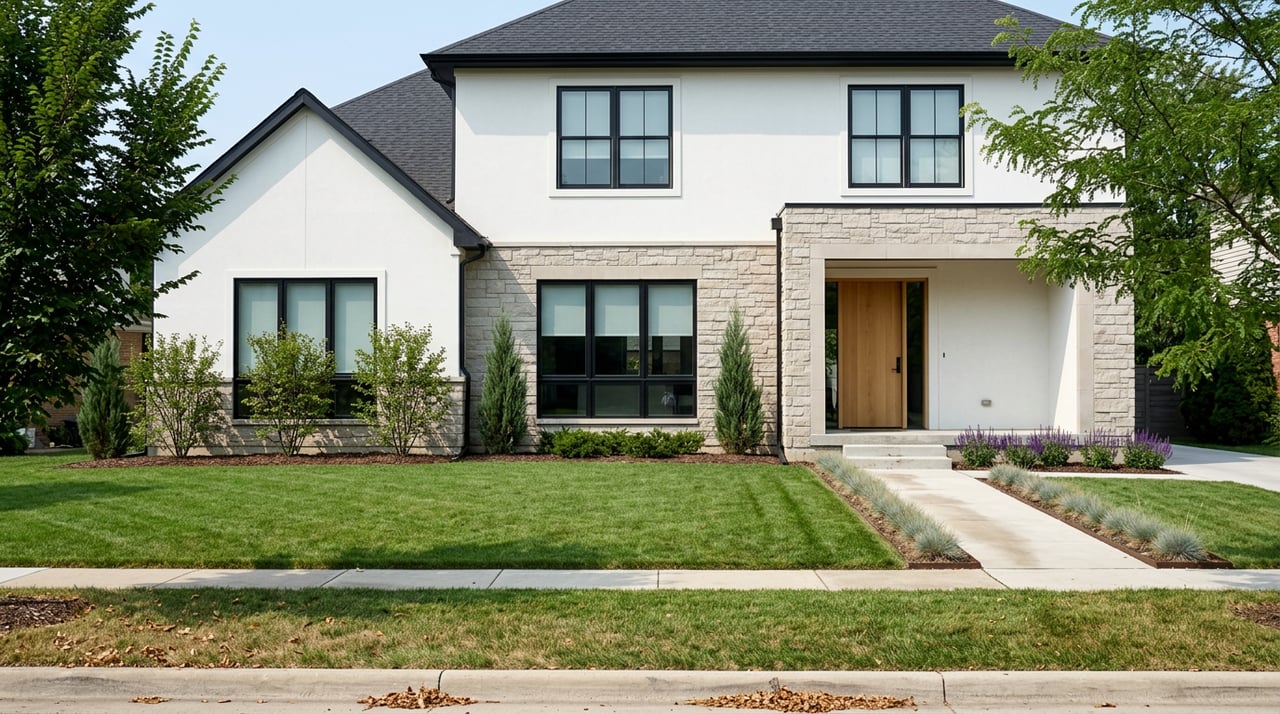
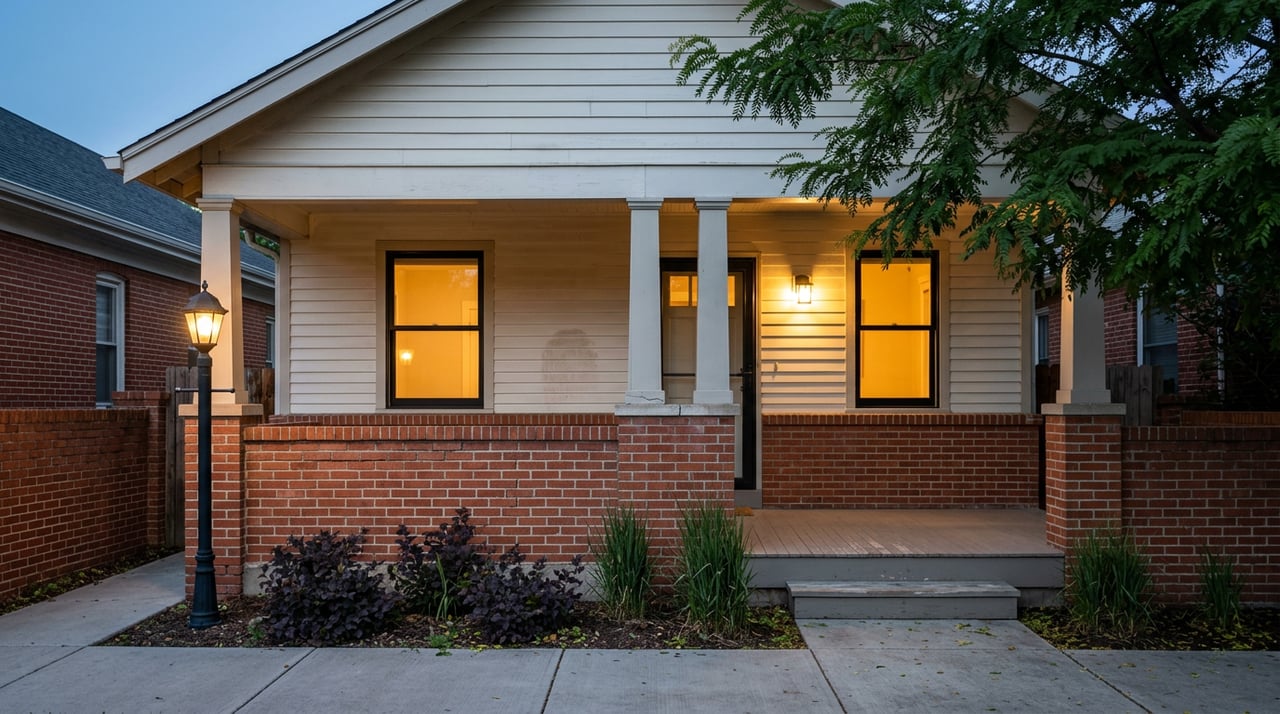
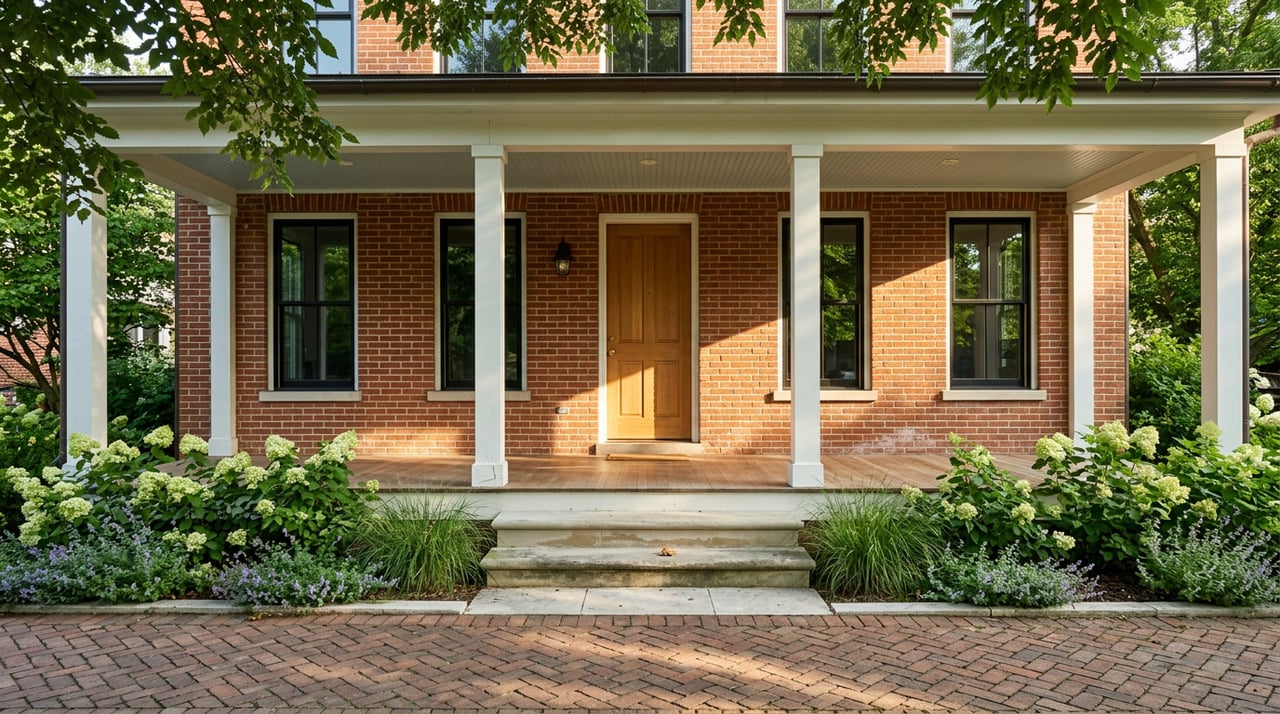
Park Hill is known for early 20th-century architecture, mature trees, and porch-forward streets. You’ll find bungalows, Denver Squares, Tudors, and Colonial Revivals with usable backyards and room to grow. The neighborhood’s character and preservation efforts are documented by the local organization behind the area’s history and design guidance. You can explore that background on the neighborhood’s resource hub at Historic Park Hill.
City Park places you next to one of Denver’s largest green spaces, home to the Denver Zoo, the Denver Museum of Nature & Science, lakes, and fields. Many blocks mix single-family homes with mid-rise condos and apartments, which supports stronger walkability to amenities. For a quick overview of park highlights and family-friendly destinations, browse the City Park Alliance place guide.
You’ll see primarily detached homes on established streets with grassy front setbacks and mature canopies. Many lots include private backyards that work well for play, gardening, or pets. Some stretches have preservation or design review considerations, so it is smart to confirm any exterior renovation plans with the appropriate neighborhood or city resources. Historic context and local preservation references are available through Historic Park Hill.
Closer to the park’s edges and along corridors like Colfax, you’ll find more condos and apartments along with single-family blocks. If you value variety and proximity to cultural institutions, this mix can be appealing. Private yard sizes vary more here, especially near the park, compared with the larger single-family pockets typical in Park Hill.
As of early 2026, major portals reported Park Hill median sale prices in the mid 600s, with one January 2026 snapshot showing about $677,000 (Redfin, Jan 2026). For City Park, several reports in mid 2025 showed medians around the low 800s, with examples near $815,000 for single-family segments and a wide range due to condos versus detached homes (Rocket and Redfin, mid 2025). Portals use different methodologies, and medians shift month to month, so consider these figures directional and date specific.
What matters most for your decision is block-level value. Ask for a 90-day MLS comp set that compares similar homes within 2 to 3 nearby blocks. This will give you price per square foot, days on market, and list-to-sale trends you can actually use for an offer strategy.
If you live in Park Hill, many addresses feed into Park Hill Elementary, a long-standing neighborhood school with an active community. Learn more directly from the Park Hill Elementary website. For middle school, families often reference McAuliffe International on the Smiley campus, an IB-style middle school noted for strong programs. Review details on the Denver Public Schools McAuliffe page.
In the City Park area, families commonly look at Teller Elementary and Morey Middle, with East High School serving many nearby addresses. Specific assignments can vary by address and enrollment planning. Verify grade spans and assignments with the district before you make a final decision.
Denver uses SchoolChoice, and boundaries can change. Always confirm enrollment and boundary details for your exact address through the district’s guidance. Start with the DPS SchoolChoice overview to understand timing and steps.
Park Hill benefits from an active neighborhood nonprofit that runs food and youth programs, which many households appreciate as a way to plug into the community. Explore current offerings via the Greater Park Hill Community page. City Park’s neighborhood groups and park partners often host family-oriented activities in and around the park.
If everyday park access is a top priority, City Park is a standout. The park offers playgrounds, lakes, ballfields, and iconic destinations like the Zoo and the Museum of Nature & Science. Seasonal programming, such as concerts and festivals, makes it easy to plan weekend activities without driving far. See a helpful overview of destinations through the City Park Alliance guide.
Park Hill residents have long used City Park as a western anchor, and there is also a significant open-space project in motion on the former Park Hill Golf Course property. The city launched an action plan process in 2025 to create a large new urban park that will influence recreation access and long-term neighborhood dynamics. Track status and timelines on the City of Denver Park Hill Action Plan page. Expect evolving details on amenities, construction phases, and access as planning advances.
Both neighborhoods include smaller playgrounds and leafy streets for everyday play and walks. Park Hill’s historic character and trees are a core part of its appeal for backyard and block-level activities. City Park’s larger facilities and programming increase options for regular outings and learning experiences.
Tip: When you test-drive your routine, check peak and off-peak conditions. Travel times vary by hour and event days at the park.
Pros
Cons
Pros
Cons
Use this quick list to compare addresses with confidence.
If you want consistent private yard space, porch culture, and classic architecture, Park Hill often checks those boxes. If you prefer daily park access, museums within a short walk, and more transit options, City Park could be the better match. Both offer strong east-side access to downtown and long-term potential.
When you are ready to compare specific homes, get a comp-driven view of value and a clear SchoolChoice timeline. For tailored guidance, neighborhood tours, and an MLS-backed pricing strategy, connect with Antoinette Bradley for a free consultation.
Stay up to date on the latest real estate trends.
The journey of buying or selling a home is personal, and Antoinette believes in guiding every client with expertise, care, and transparency. Drawing from her early real estate successes and entrepreneurial experience, she empowers clients to make confident, strategic decisions.