Is Englewood The Right Denver Suburb For Your Commute?
May 14, 2026
May 14, 2026
If your daily drive or train ride shapes where you want to live, Englewood deserves a closer look. This inner-south-metro city gives you a very different commute experience than many farther-out suburbs, especially if you work downtown, near major hospitals, or need flexible access across the south metro. Here’s how to think about Englewood’s commute strengths, its tradeoffs, and the kinds of homes that may fit your routine. Let’s dive in.
Englewood functions more like a connected in-town base than a distant suburb built around long highway drives. City information describes it as a transportation hub, with two light-rail stops, access to US 285 and US 85, RTD bus service, and the free Englewood Trolley linking the light-rail station to downtown Englewood, the medical district, and the civic center.
That mix matters if you want options. Instead of relying on just one route or one mode of transportation, you can combine rail, bus, car, biking, or a short trolley connection depending on where you work and how your day is structured.
The city’s mean travel time to work is 23.1 minutes, according to Census QuickFacts. That does not guarantee your exact commute, of course, but it does support the idea that Englewood offers relatively efficient access for many local workers.
If you work in downtown Denver, Englewood makes a strong case for itself. A current RTD D Line schedule shows a trip from Englewood Station departing at 6:17 a.m. and arriving at 18th & California at 6:42 a.m., which is about 25 minutes end to end.
That is one of Englewood’s clearest advantages. For buyers who want a rail-based commute into central Denver, the D Line offers a predictable benchmark that is often easier to plan around than a drive through changing traffic conditions.
There is also a direct Route 0 bus from Englewood Station to Union Station. Still, the D Line is the simplest reference point if your goal is a straightforward downtown trip.
Englewood Station is more than just a train stop. It is a Park-n-Ride with free parking and five bus routes, which gives you some flexibility if you do not live within walking distance of the station.
For many commuters, that setup can make day-to-day life easier. You may be able to drive a short distance, park, and ride into town instead of committing to a full downtown drive.
This is where the answer gets more nuanced. If your job is in the Denver Tech Center, Englewood is possible, but it is usually not the most seamless rail-first choice.
According to RTD’s current Route 35 schedule, the trip from Englewood Station to Southmoor Station takes about 22 to 23 minutes. From there, DTC travel may involve another first- or last-mile layer, since RTD now treats DTC FlexRide as a separate service area between Belleview and Sky Ridge stations.
In practical terms, many DTC commuters from Englewood will rely on a car, or a bus-plus-transfer approach, rather than a simple one-seat rail ride. If your top priority is the easiest possible direct transit trip to DTC, you may find Englewood less convenient than its downtown access suggests.
The main tradeoff is simple. Englewood is a strong fit for downtown Denver, central hospital, and mixed-mode south-metro commuting, but it is not the most frictionless choice if you want a direct, rail-centered DTC commute.
That does not make Englewood the wrong choice. It just means your best match depends on where you need to be most often and how much flexibility you want in your transportation options.
If you work in healthcare, Englewood becomes even more compelling. The city’s downtown map describes the Wellness District as a health-and-wellness hub anchored by Craig Hospital and Swedish Medical Center, and the free Englewood Trolley connects the light-rail station to the medical district and civic center.
That is one of Englewood’s clearest location advantages. If your work is centered around Swedish Medical Center or nearby healthcare destinations, living close to this corridor can reduce commute stress and simplify your routine.
Swedish Medical Center is located at 501 E Hampden Ave. For buyers who want to stay near work without giving up access to transit and city amenities, this part of Englewood deserves serious attention.
If you commute to Denver Health’s main campus downtown, Englewood may still work well. Since Denver Health is located at 777 Bannock, that trip aligns more closely with the downtown commuting pattern than the DTC one.
In other words, if your workday takes you into central Denver rather than farther southeast, Englewood’s rail access remains a meaningful advantage.
Not every part of Englewood offers the same commute setup. City planning materials identify a few areas as the most transit-oriented, especially for buyers who want to live closer to rail, bus service, or employment centers.
The city classifies Downtown/Englewood Station, the Medical District, and the Oxford Station area as higher-density zones tied to employment, residential use, and neighborhood-serving retail. For many buyers, these are the places to start if commute convenience is high on your list.
CityCenter is a 55-acre redevelopment area around the civic center and light-rail station. The city says it includes the civic center, offices, modern housing options, and light-rail access.
If you want a more connected, lower-car lifestyle, this area may feel like the best fit. You are more likely to find the kind of home setup that supports quick station access and a more urban daily rhythm.
The Medical District stands out for buyers who want to be close to healthcare employers and transit connections. Since the trolley links the station to the medical district, this area can offer practical value beyond simple map distance.
That matters if your hours are long or your shifts vary. A shorter, easier commute can make your home work better for your actual life, not just your wish list.
The Oxford Station side of Englewood can also appeal to transit-minded buyers. However, the Oxford-City of Sheridan Station does not have RTD parking, so it works better as a walk, bike, or local transit stop than as a classic park-and-ride option.
That makes this area a different kind of commute choice. It may be a better fit if you value proximity and mobility over driving to a station and leaving your car there.
One of Englewood’s strengths is that it is not a one-note housing market. City planning materials point to preservation-minded older neighborhoods such as Downtown, Bates-Logan Park, and Cushing Park, while station-area and CityCenter districts lean newer and denser.
For you as a buyer, that creates a useful comparison. You can weigh older single-family blocks against newer condos or townhomes near transit, depending on how closely you want your home to match your commute style.
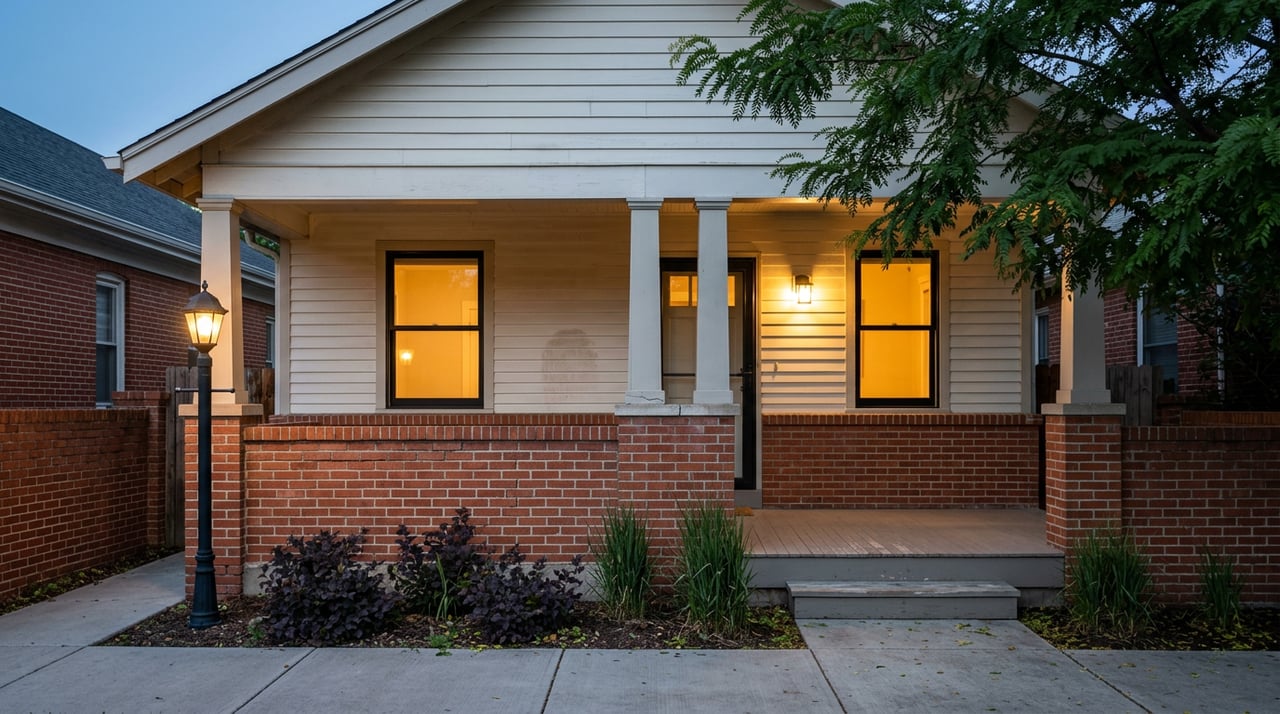
If you want character, yard space, or a more traditional residential feel, Englewood’s older neighborhood fabric may appeal to you. These areas can offer a different lifestyle than the denser station-adjacent pockets.
If you want lower-maintenance living and easier access to rail or bus connections, newer condo and townhome options near CityCenter or station areas may be worth a closer look. For many buyers, this becomes a trade between space and convenience.
Englewood’s current pricing sits broadly in the low-to-mid $500,000s, depending on the data source and methodology. Census QuickFacts shows a median owner-occupied home value of $534,000, Zillow’s home value index is $516,657, and Redfin’s March 2026 median sale price was $578,000.
The best way to read those numbers is as a range, not a single exact value. Home type, condition, and location within Englewood can all influence where a specific property lands.
For renters or buyers comparing ownership costs, the city also shows moderate consistency on the rental side. Census reports median gross rent at $1,563, while a Realtor.com overview for 80113 places median rent at about $1,600.
Zillow reports homes going pending in about 29 days. That suggests a market that can still move fairly quickly, especially for homes with strong location advantages such as access to transit, downtown connections, or the medical corridor.
If you are shopping in Englewood, it helps to know your priorities early. The homes that best match commute convenience and lifestyle goals may attract attention faster than more average options.
For many buyers, yes, especially if your work life centers on downtown Denver, local hospital campuses, or a flexible mix of car and transit travel across the south metro. Englewood offers a rare blend of rail access, bus service, major road connections, and neighborhoods with very different housing styles.
The bigger question is not whether Englewood is good in general. It is whether Englewood is good for your destination, your schedule, and your preferred way of getting around.
If you want a more predictable downtown trip, station access, and the option to choose between older homes and newer transit-oriented living, Englewood is worth serious consideration. If your daily priority is a simple, direct, rail-first DTC commute, you may want to compare it carefully with other locations before making a move.
A smart home search starts with how you actually live every day. If you want help weighing commute patterns, housing options, and long-term value in Englewood or nearby Denver neighborhoods, connect with Antoinette Bradley.
Stay up to date on the latest real estate trends.



The journey of buying or selling a home is personal, and Antoinette believes in guiding every client with expertise, care, and transparency. Drawing from her early real estate successes and entrepreneurial experience, she empowers clients to make confident, strategic decisions.