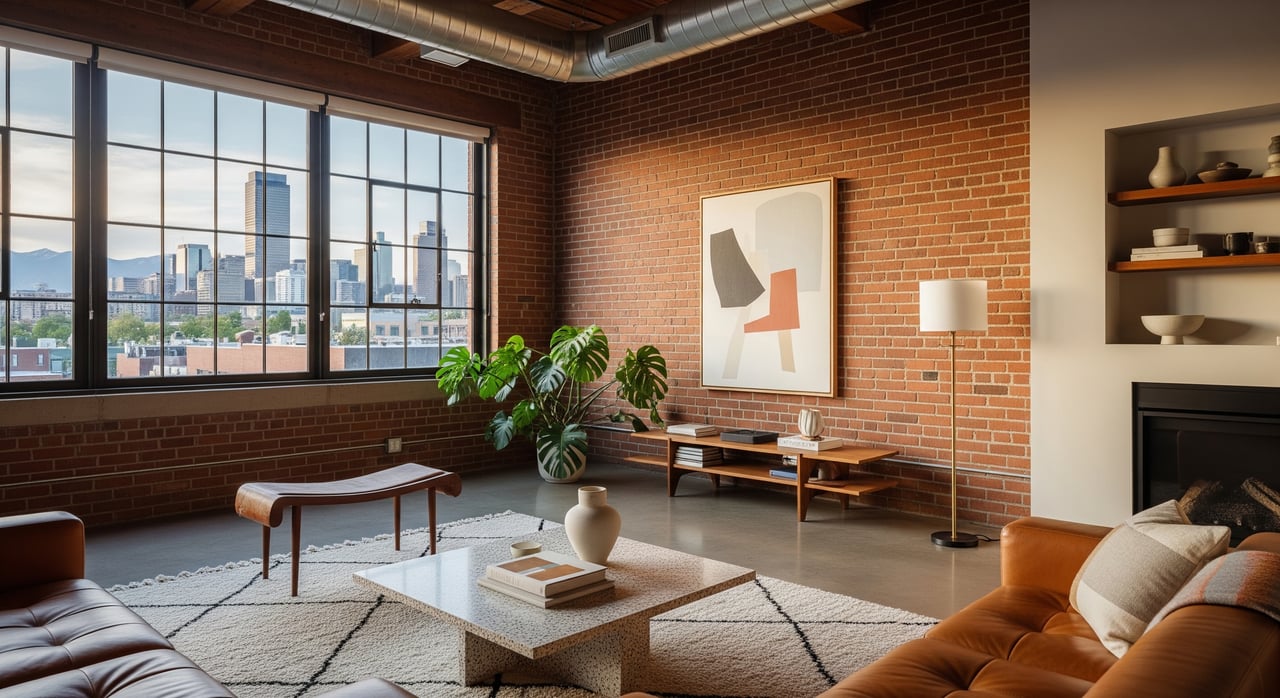
Living In RiNo: Denver’s Creative Loft District
February 5, 2026
February 5, 2026
Picture this: you step out your front door and see bold murals, hear the buzz of a gallery opening, and grab coffee a block from your loft. If you want a walkable, low‑maintenance lifestyle with creative energy, the River North Art District could be your perfect fit. In this guide, you’ll learn how RiNo’s lofts and condos compare, what daily life looks like near galleries and breweries, and the practical checks to make before you buy. Let’s dive in.
RiNo sits just north of downtown Denver with an industrial past that shows up in its architecture and streetscapes. Many warehouses and rail‑served buildings now house studios, galleries, and modern residences. The result is a mixed‑use neighborhood that feels creative and energetic.
You will notice a strong public‑art presence, from large murals to curated art nights that bring people onto the streets. Breweries, distilleries, and independent restaurants cluster along key corridors like Brighton Boulevard. Evenings and weekends are active, which adds vibrancy and, at times, more noise.
Redevelopment has been steady over the last two decades. New mid‑rise buildings, creative offices, and mixed‑use projects share blocks with converted lofts. That mix is a big part of RiNo’s identity and a major draw for urban buyers.
Lofts are often carved from former industrial buildings with open floor plans, high ceilings, large windows, and exposed brick or concrete. You get character and flexible space that can adapt to your lifestyle. These buildings can have older mechanical systems and unique layouts, so due diligence matters.
Newer buildings deliver contemporary finishes and amenities like secure parking, rooftop spaces, and on‑site fitness rooms. You trade some of the raw industrial feel for convenience and building management. Expect HOA rules and fees that vary by property.
Select buildings offer live/work layouts that suit artists and small business owners. RiNo also includes a range of rental options, from boutique apartments to converted buildings. Supply can shift as new projects deliver, so timing your search helps.
RiNo is known for a high density of galleries and artist studios. Recurring art nights and openings make it easy to fill your calendar close to home. The outdoor mural scene is a signature feature that shapes the district’s look and feel.
You can walk to craft breweries, taprooms, distilleries, and independent restaurants spread across side streets and main corridors. Co‑working spaces and creative offices are integrated throughout the neighborhood, which is helpful if you work remotely or run a small business.
RiNo is highly walkable for daily needs like food, drink, and cultural destinations. Many residents bike for short commutes using local lanes and connections to Denver’s network. Several bus routes serve the area, and commuter or light rail stations are a short drive or transit ride away.
You have quick access to I‑25 and I‑70 for regional trips. Street parking can be limited near event venues and busy blocks, so verifying deeded or leased parking is key. If you host guests often, ask about visitor parking and nearby options.
Parkland inside the historic district is limited, though new projects have added small plazas and pocket parks. For larger parks and regional trails, residents commonly head to adjacent neighborhoods. If outdoor space is a priority, weigh building amenities like rooftop terraces or courtyards.
RiNo blends residential living with nightlife and event programming. Evenings and weekends can bring more activity, deliveries, and crowds. Soundproofing varies by building, so visit at different times of day to get a realistic feel.
Unit orientation and floor level can affect noise exposure. Interior‑facing homes or higher floors may reduce street noise, depending on construction quality. Ask about any building rules around quiet hours and event hosting.
RiNo fits if you want a walkable, arts‑forward lifestyle near downtown with minimal yard work. Urban professionals and empty‑nesters often value the short commute, evening amenities, and co‑working access. Artists and creatives may appreciate live/work setups, though rising costs have reduced the number of lower‑cost studio options.
Consider your priorities. If you prize quiet streets and large parks outside your door, the district’s active nightlife and limited green space may feel like a trade‑off. If culture, dining, and distinctive architecture top your list, RiNo delivers daily.
Lean into what makes your property stand out. Highlight authentic finishes, ceiling heights, window size, and any sound‑mitigating upgrades. Prepare HOA documents early and note special assessments or completed capital projects.
Stage for flexible living by showing work zones, entertaining layouts, and storage solutions. Marketing that speaks to arts access, dining, and transit can help qualified buyers see the lifestyle your home supports.
Choosing the right building and floor plan is the difference between liking RiNo and loving it. If you want boutique guidance, market context, and a plan that balances lifestyle and long‑term wealth, connect with Antoinette Bradley. Schedule a free consultation to map your next move.
Stay up to date on the latest real estate trends.
The journey of buying or selling a home is personal, and Antoinette believes in guiding every client with expertise, care, and transparency. Drawing from her early real estate successes and entrepreneurial experience, she empowers clients to make confident, strategic decisions.