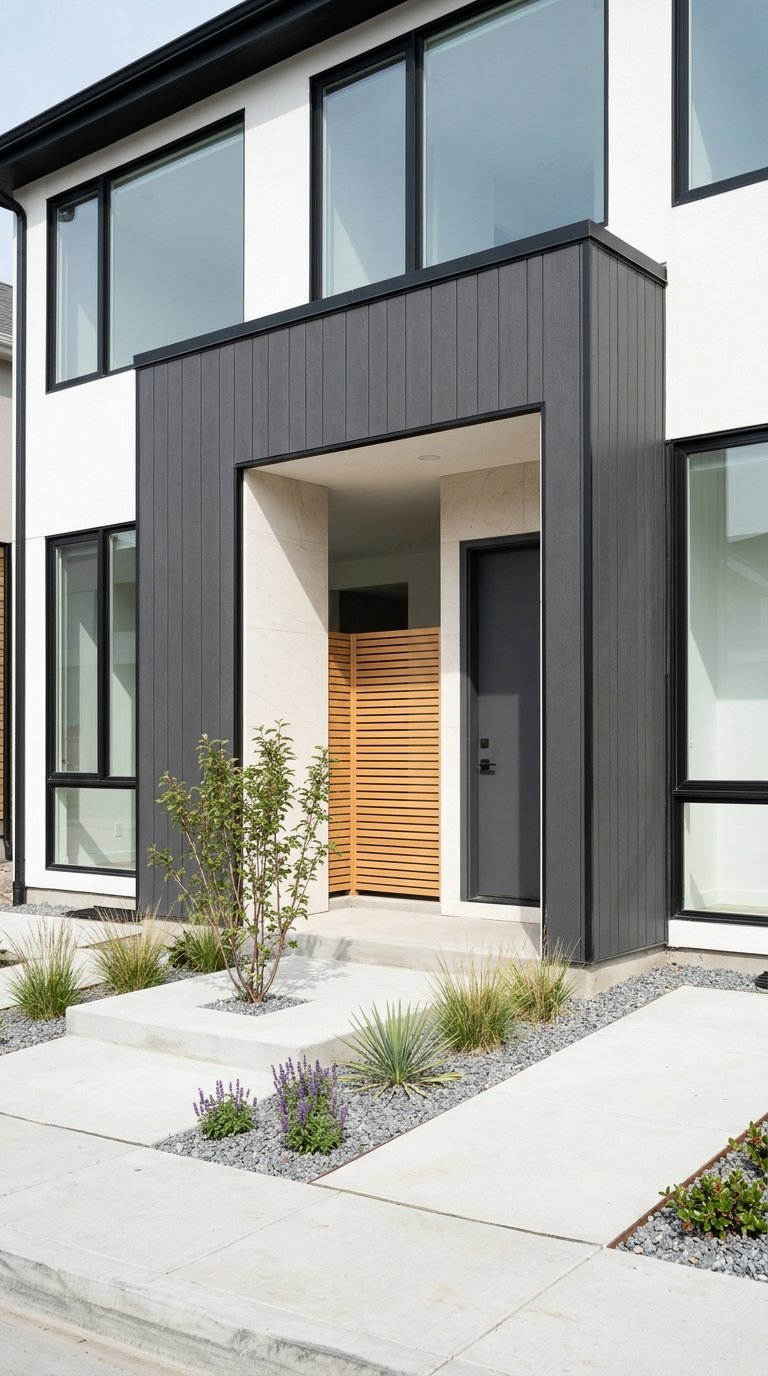
Is a Highlands Westminster Investment Property Right?
June 4, 2026
June 4, 2026
Thinking about buying your first rental in Denver’s Highland area? It is easy to see the appeal. The neighborhood has strong name recognition, a mix of housing types, and convenient access to downtown. But for a first-time investor, the big question is not just whether Highland is desirable. It is whether the numbers, regulations, and day-to-day realities make sense for your goals. In this guide, you’ll get a clear look at what first rental buyers should know before buying in Highland or West Highland. Let’s dive in.
Highland and West Highland sit in Denver’s northwest urban core, and both are premium submarkets by local standards. Zillow places average home values around $726,456 in Highland and $792,797 in West Highland, compared with Denver’s average of $541,899. That price gap matters because it raises your entry cost right away.
At the same time, the area offers a range of housing stock that can attract different renter profiles. Denver’s Highlands parking analysis describes the north half as primarily single-family homes, while the south half includes more multifamily homes, lofts, office space, retail, restaurants, and parks. For you as a first-time landlord, that means one block can feel very different from the next.
Highland has real tenant appeal, especially if you want a location-first hold. RTD says Route 32 connects downtown, Highlands, West Highlands, Wheat Ridge, and Arvada, with stops near Julian, Meade, and Osceola in West Highlands. That gives some renters a practical transit option and can reduce car dependence.
There is also active market inventory, even though it is still a relatively tight premium area. Current Zillow snapshots show 54 homes for sale in West Highland and 70 in Highland, with 21 and 23 new listings respectively. So while this is not a bargain-hunting market, it is active enough to support resale and ongoing buyer interest.
The rental market shows a healthy spread of product types and price points. Zillow snapshots show about 100 apartment rentals and 19 houses for rent in West Highland. Apartment listings start around $1,355 for studios and $1,495 for one-bedrooms, while house rentals range from about $2,150 for a smaller home to $3,800 to $3,950 for larger houses, with some listings reaching $7,000.
That variety can be helpful if you are trying to match a property to a target rent range. It also confirms that renters are active in the area, even at the higher end of the Denver market. Denver-wide, Census QuickFacts reports an owner-occupied housing rate of 48.8% and a median gross rent of $1,831, which supports the idea that the metro still has a substantial renter base.
This is where many first rental buyers need to slow down. Highland and West Highland may be attractive, but the rent-to-price relationship can be tough. Based on sourced Zillow examples, a West Highland single-family property priced at $1,256,300 with a $3,765 monthly Rent Zestimate implies roughly a 3.6% gross yield.
A duplex example at $1,383,100 with a $5,150 monthly Rent Zestimate implies around a 4.5% gross yield. Even using West Highland’s average value of $792,797 and a $3,200 monthly house-rent example, the math works out to about a 4.8% gross yield before financing and operating costs. For a first-time investor, that usually means you should underwrite very carefully.
If you are buying your very first investment property, Highland is usually not the kind of market where weak numbers are easy to fix. A premium purchase price leaves less room for error. If your mortgage payment, taxes, insurance, maintenance, and vacancy assumptions are too aggressive, you can feel the squeeze quickly.
That does not mean the area is a bad investment. It means the neighborhood is often better suited to buyers who want a long hold, have a larger down payment, or value location and long-term ownership more than immediate monthly cash flow. In other words, this is often a portfolio-building play, not a bargain-income play.
Recent pricing trends also support a more conservative approach. Over the past year, Zillow reports home values down 3.5% in West Highland, 5.8% in Highland, and 4.2% across Denver. Zillow also reports Denver asking rents down 1.7% year over year.
For you, that means it is smart to avoid best-case assumptions. If you are analyzing a property, use conservative rent growth, realistic vacancy, and a maintenance reserve. A deal that only works under perfect conditions may not be the right first rental.
In Highland, parking is not a small detail. Denver’s curbside management materials show an implemented Highlands parking plan, and the West Highland parking map includes a mix of permit-only blocks, 2-hour parking, loading zones, and unrestricted streets. A property can look great online but create headaches if parking is limited.
Before you buy, check the block itself. Confirm whether the property has off-street parking, alley access, a garage, or enough space for expected tenants and guests. For households with more than one car, parking friction can affect both leasing and tenant satisfaction.
If you plan to rent a property in Denver for 30 days or more, the city requires a residential rental license. Denver also requires a passing third-party inspection. According to the city, a single dwelling unit has a $50 application fee and a $50 license fee, and the license is valid for four years unless ownership changes.
Denver also requires landlords to provide the Tenant Rights and Resources document when the lease is signed and when rent demand is served. These are manageable requirements, but they still belong in your budget and timeline. For a first-time owner, compliance is part of the investment, not an afterthought.
If you like the general area but want stronger entry-level math, it may help to compare nearby neighborhoods. Zillow shows median home values around $643,476 in Jefferson Park, $657,042 in Sunnyside, $586,060 in Regis, $726,456 in Highland, and $815,640 in Sloan Lake. That places West Highland and Highland in a premium band rather than a value band.
For some buyers, that premium is worth it because of location, character, and long-term desirability. For others, a nearby submarket may offer a lower acquisition cost and more breathing room on monthly performance. As a first-time investor, comparing several neighborhoods side by side can help you avoid buying based on reputation alone.
Highland or West Highland could be a fit if your priorities look like this:
If that sounds like you, the neighborhood may deserve a serious look.
It may not be the best first step if your priorities look more like this:
There is nothing wrong with passing on a premium neighborhood if the deal structure does not support your goals.
For most first-time investors, the best approach is to start with a clear buy box. Decide your maximum payment, minimum cash reserve, target rent, and acceptable parking and licensing requirements before you tour properties. That helps you stay objective in a neighborhood where charm can sometimes overshadow the math.
It also helps to evaluate Highland in context, not isolation. Compare it with nearby areas, run conservative numbers, and think about how this purchase fits into your long-term wealth plan. A first rental should not just be exciting. It should be sustainable.
If you want help comparing Highland to nearby Denver neighborhoods and finding a property that fits both your lifestyle and long-term investment goals, Antoinette Bradley offers thoughtful, neighborhood-first guidance rooted in Denver market expertise.
Stay up to date on the latest real estate trends.

The journey of buying or selling a home is personal, and Antoinette believes in guiding every client with expertise, care, and transparency. Drawing from her early real estate successes and entrepreneurial experience, she empowers clients to make confident, strategic decisions.